
Are you tired of your brick backsplash looking outdated or clashing with your kitchen style? Covering a brick backsplash can transform your kitchen instantly, giving it a fresh, modern feel without the hassle of a full remodel.
Whether you want a sleek, smooth surface or a splash of color, you’ll discover simple and effective ways to update your space. Keep reading, and you’ll learn easy steps to cover your brick backsplash that anyone can do—no special skills needed.
Your kitchen makeover starts here!
Choosing The Right Covering
Choosing the right covering for a brick backsplash changes the entire kitchen look. It protects the brick and makes cleaning easier. The covering must suit your style and kitchen use. It should be durable and simple to maintain. Think about how much effort you want to spend on installation and upkeep. Select a covering that fits your budget and taste.
Tile Options For Brick Backsplash
Tiles create a smooth, fresh surface over bricks. Ceramic and porcelain tiles are popular choices. They resist heat, stains, and moisture well. Glass tiles add shine and brighten small kitchens. Stone tiles offer a natural, textured look. Tiles come in many colors and patterns. Choose grout that matches or contrasts for style. Tiles need proper adhesive and grout to last long.
Peel-and-stick Alternatives
Peel-and-stick covers are fast and easy to apply. They come in vinyl, faux tile, and metal finishes. These covers stick directly to brick surfaces. No special tools or skills are required. They are budget-friendly and good for renters. Peel-and-stick covers are less durable than tiles. Clean gently to avoid peeling or damage. Replace them easily without major work.
Paint And Sealant Choices
Painting brick is a simple way to change its look. Use heat-resistant kitchen paint for safety. Choose a color that matches your kitchen theme. Seal the brick after painting to protect it. Sealants keep bricks from absorbing moisture and stains. Both paint and sealant help make cleaning easy. Reapply sealant every few years for best results.

Credit: mockuphunt.co
Preparing The Brick Surface
Preparing the brick surface is a crucial step before covering your kitchen backsplash. The brick must be clean, stable, and smooth enough to hold paint, tiles, or any other covering you choose. Skipping this preparation can lead to poor adhesion and uneven results that ruin the look and durability of your backsplash.
Cleaning And Repairing
Start by removing all dirt, grease, and dust from the brick. Use a stiff brush and warm soapy water to scrub the surface thoroughly. If you notice any crumbling mortar or loose bricks, patch those areas with fresh mortar or a suitable filler.
After repairs, allow the brick to dry completely before moving on. A clean and intact surface helps your covering stick better and last longer. Have you checked every nook and cranny? Small cracks can cause big problems later.
Priming The Brick
Once the brick is dry and repaired, apply a primer designed for masonry surfaces. Primer seals the porous brick and prevents your paint or adhesive from soaking in unevenly. This step ensures a consistent finish and stronger bond.
Use a roller or brush to cover all the brick thoroughly, including mortar lines. Let the primer dry according to the product instructions. Skipping primer is like building a house on sand—your backsplash could peel or chip quickly.
Smoothing Uneven Areas
Brick surfaces are often rough and uneven, which can affect the look of your backsplash. Use a high-quality joint compound or skim coat to fill in gaps and smooth out bumps. Spread the compound evenly with a putty knife and feather the edges for a seamless transition.
After the compound dries, sand the surface lightly to achieve a smooth base. This step makes applying tiles or paint easier and results in a professional appearance. Could a little extra effort here save you from frustration down the road?
Installing Tile Over Brick
Installing tile over a brick backsplash refreshes your kitchen’s look easily. Brick surfaces provide a strong base but need prep before tiling. Proper adhesive, smart layout, and neat grouting ensure a lasting finish. Follow simple steps for a smooth tile installation over brick.
Selecting Adhesive
Choose a high-quality adhesive that bonds well with brick. Thinset mortar is popular for its strong hold and durability. Use a mortar designed for uneven surfaces to fill brick gaps. Avoid regular glue or mastic; they may fail on rough brick.
Mix the adhesive according to package directions. Apply with a notched trowel for even coverage. Check for proper drying times before tiling to prevent slipping.
Layout And Design Tips
Plan your tile layout before applying adhesive. Measure the backsplash area carefully. Mark horizontal and vertical guidelines on the brick to keep tiles straight.
- Start from the center or a visible corner.
- Use tile spacers to maintain uniform gaps.
- Cut tiles neatly to fit edges and corners.
Choose tile styles and colors that complement kitchen décor. A balanced design enhances visual appeal and hides minor imperfections.
Grouting Techniques
Wait until the adhesive cures before grouting. Select grout color that matches or contrasts with tiles. Mix grout to a smooth, thick paste.
Apply grout with a rubber float, pressing into gaps firmly. Remove excess grout with a damp sponge quickly. Allow grout to dry fully, then polish tile surfaces with a soft cloth.
Seal grout after drying to protect from stains and moisture. Regular cleaning keeps grout looking fresh and prevents mold.
Using Peel-and-stick Panels
Using peel-and-stick panels offers a quick and simple way to cover a brick backsplash. These panels stick directly to the wall, hiding rough brick surfaces. They come in many styles, colors, and textures, giving your kitchen a fresh look without heavy work. This option saves time and effort compared to traditional tiling or painting.
Surface Preparation
Clean the brick surface thoroughly before applying panels. Remove dirt, grease, and loose paint with a brush or cloth. Make sure the wall is dry to help panels stick well. Fill any deep cracks or holes with a suitable filler. Smooth surfaces improve panel adhesion and durability.
Applying Panels Smoothly
Start from the bottom of the backsplash for better alignment. Peel off the backing carefully to avoid touching the adhesive. Press panels firmly against the wall, smoothing out air bubbles with a flat tool or cloth. Cut panels with a utility knife to fit edges and corners precisely. Take your time for neat, even placement.
Maintenance And Durability
Peel-and-stick panels resist moisture and stains well. Clean them with a damp cloth and mild soap as needed. Avoid harsh chemicals that can damage the surface. Panels hold up well in kitchen environments but check edges regularly. Replace any damaged sections quickly to keep the backsplash looking fresh.
Painting The Brick Backsplash
Painting a brick backsplash can refresh your kitchen’s look. Clean the brick surface thoroughly. Use a quality primer before applying the paint. Choose a durable paint suitable for kitchens. Seal the surface to protect against moisture and stains. Enjoy your newly updated kitchen aesthetic.
Painting the Brick Backsplash Transforming your kitchen’s brick backsplash with a fresh coat of paint can be an exciting way to rejuvenate your space. It’s cost-effective and allows you to express your personal style. With the right steps, you can achieve a stunning look that not only protects but also enhances the character of your kitchen.Choosing Paint Types
Selecting the right paint is crucial for a lasting finish. Opt for a high-quality latex or acrylic paint, as these are durable and easy to clean. Consider using a paint with a satin or semi-gloss finish for added protection against grease and moisture. If your bricks are rough, a paint with a built-in primer can help save you time and effort.Application Methods
Before you start painting, ensure the bricks are clean and dry. Use a wire brush to remove any dust or loose particles. Apply a primer if your paint doesn’t have one built-in. For application, a paintbrush can help get into the mortar lines, while a roller can cover larger areas quickly.Adding Protective Coats
Once the paint is dry, adding a protective coat is essential for longevity. A clear polyurethane sealer can add an extra layer of protection against stains and moisture. Apply at least two coats of sealer for the best results, allowing each layer to dry completely. This not only preserves the color but also makes cleaning a breeze. By taking these steps, you can ensure your painted brick backsplash remains vibrant and resilient. What colors will you choose to bring new life to your kitchen?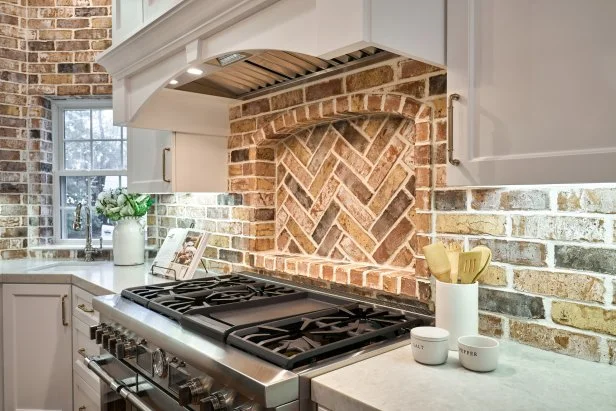
Credit: www.hgtv.com
Adding Stylish Accents
Adding stylish accents can transform a brick backsplash from plain to stunning. These accents bring personality and charm to your kitchen space. They also help blend the brick with other kitchen elements. Simple touches make a big impact without heavy renovation. Here are some ideas to enhance your brick backsplash with style and function.
Installing Shelves And Hooks
Open shelves add storage and display space. Use sturdy wood or metal shelves to complement brick texture. Install hooks below shelves for hanging mugs or utensils. This setup keeps essentials within reach and adds a rustic charm. Choose brackets that match your kitchen’s style for a cohesive look.
Incorporating Lighting
Lighting highlights the beauty of the brick and creates ambiance. Use under-shelf LED strips to brighten work areas. Wall-mounted sconces add warmth and style around the backsplash. Warm white lights work best with brick tones. Adjustable lights allow you to focus on specific spots or objects.
Using Decorative Trims
Decorative trims frame the brick backsplash and add definition. Choose metal or wood trims to contrast or match the brick color. Thin trims create a clean, modern edge while wider trims add boldness. Trims also protect edges from wear and tear. Install trims carefully for a polished, finished look.
Maintaining Your Covered Backsplash
Maintaining your covered backsplash keeps your kitchen looking fresh and clean. It protects your investment and extends the life of the new surface. Regular care prevents stains and damage, saving time and money later. Follow simple steps for cleaning, repairing, and long-term care.
Cleaning Tips
Use a soft cloth or sponge with mild soap and warm water. Avoid harsh chemicals that can damage the covering material. Wipe spills immediately to stop stains from setting. For tough spots, a gentle scrub with baking soda works well. Dry the surface with a clean towel to prevent water marks.
Repairing Damage
Inspect your backsplash regularly for cracks or chips. Small damages can often be fixed with matching paint or filler. For peeling or loose areas, reattach using the right adhesive. Replace damaged sections quickly to avoid bigger problems. Keep repair tools handy for quick touch-ups.
Long-term Care
Protect your backsplash from heat and moisture by using splash guards or mats. Avoid leaning heavy objects against it to prevent dents. Maintain good kitchen ventilation to reduce humidity. Schedule deep cleaning every few months to remove buildup. Regular care helps keep your backsplash new for years.

Credit: www.fireclaytile.com
Frequently Asked Questions
How Can I Cover A Brick Backsplash In My Kitchen?
You can cover a brick backsplash using paint, tiles, or peel-and-stick panels. These options refresh your kitchen’s look and are easy to install.
What Materials Work Best To Cover Brick Backsplashes?
Ceramic tiles, beadboard panels, or vinyl wallpaper work well. They provide durability, easy cleaning, and a stylish finish for kitchen backsplashes.
Is Painting The Brick Backsplash A Good Idea?
Yes, painting brick creates a clean, modern look. Use high-quality, heat-resistant paint designed for masonry surfaces for best results.
How Do I Prepare Brick Before Covering It?
Clean the brick thoroughly to remove grease and dust. Repair cracks and apply primer for better adhesion of covering materials.
Conclusion
Covering a brick backsplash can refresh your kitchen’s look quickly. Choose materials that suit your style and budget. Prepare the surface well for better results. Take your time applying the new covering carefully. Small steps lead to a big change.
Enjoy the new atmosphere in your kitchen. This simple update makes cooking more pleasant. Try it yourself and see the difference.

Sophie Hartwell is the founder of KitchenQuik.com, where she shares kitchen tips, smart cooking hacks, and the best product picks to make everyday cooking easier and more enjoyable.