
Do you ever wonder what’s under the bottom of your kitchen corner cabinet? It’s a small space, often overlooked, but it can make a big difference in how clean and organized your kitchen feels.
You might be surprised to learn why covering this spot matters more than you think. Whether you want to keep pests away, protect your cabinets from damage, or simply make cleaning easier, this simple step can save you time and frustration.
Keep reading to find out how covering the bottom of your kitchen corner cabinet can improve your kitchen’s look and function.

Credit: kuballskhaos.com
Purpose Of Kitchen Corner Cabinet Bottom
The bottom of a kitchen corner cabinet plays an important role in the cabinet’s overall function and durability. It acts as the base that supports everything stored inside. Covering the bottom helps keep the cabinet clean, strong, and long-lasting. Understanding its purpose can guide better choices in kitchen design and maintenance.
Protection Against Moisture And Damage
The kitchen is a place with frequent spills and humidity. The cabinet bottom faces risks from water and stains. A covered bottom prevents moisture from seeping into the wood or material. This protection stops warping, swelling, and rotting over time.
Covering the bottom also guards against scratches and dents. Heavy pots or appliances can damage an exposed surface. A protective layer keeps the cabinet looking new and safe from everyday wear.
Enhancing Cabinet Stability
The bottom acts as a foundation for the cabinet’s structure. A covered and well-built base adds stability and strength. It supports the weight of stored items evenly, preventing sagging or bending.
Covering the bottom helps keep the cabinet square and balanced. This stability improves door alignment and smooth operation. It also reduces noise caused by loose or shifting parts inside.
Credit: www.idealhome.co.uk
Common Materials For Cabinet Bottoms
Choosing the right material for the bottom of your kitchen corner cabinet can make a big difference in durability and ease of maintenance. The material you pick needs to support the weight of stored items while resisting moisture and wear. Let’s look at some common choices that balance cost, strength, and practicality.
Plywood And Mdf Options
Plywood is a popular choice because it offers strong support and handles moisture better than many other wood products. It’s made from layers of wood veneer glued together, which gives it stability and resistance to warping. If you store heavy pots or appliances, plywood provides a reliable base.
MDF (Medium-Density Fiberboard) is smoother and cheaper than plywood, making it easier to paint or finish. However, MDF tends to absorb water and can swell if exposed to moisture, so it’s better for cabinets that don’t face damp conditions. Would you prefer a material that’s easy to customize or one that’s tougher against spills?
Metal And Plastic Alternatives
Metal bottoms, like aluminum or stainless steel, offer excellent durability and resist water damage completely. They’re easy to clean and prevent mold growth, which is a big plus if you store food or cleaning supplies. However, metal can be noisier when placing items down and might dent under heavy impact.
Plastic panels or liners provide a lightweight, waterproof surface that’s simple to install. They often come with textured finishes to prevent slipping. If you want a quick, budget-friendly solution, plastic might be worth considering, especially if you’re concerned about moisture but don’t need heavy-duty support.
Benefits Of Covering The Bottom
Covering the bottom of your kitchen corner cabinet brings several key benefits. It helps keep the cabinet clean and protects it from damage. A covered bottom creates a barrier that prevents unwanted guests and makes cleaning easier. These advantages improve the cabinet’s lifespan and maintain a tidy kitchen environment.
Preventing Pest Infestations
Covering the cabinet bottom blocks gaps and holes where pests can enter. It stops ants, spiders, and rodents from hiding inside. A sealed bottom reduces the chance of infestations. This keeps your food safe and your kitchen more hygienic.
Improving Cleaning And Maintenance
A covered bottom makes cleaning simple. Dust and crumbs stay on the surface and do not fall underneath. Wiping the cabinet floor becomes faster and less frustrating. It also protects the cabinet base from water damage and stains. This helps the cabinet last longer and look better.
When To Leave It Uncovered
Leaving the bottom of your kitchen corner cabinet uncovered can be a smart choice in certain situations. This approach helps with airflow and can fit specific design styles better. Understanding when to leave this area open helps you decide what suits your kitchen best.
Ventilation Considerations
Uncovered bottoms allow air to circulate freely. This helps reduce moisture buildup inside the cabinet. Good airflow can prevent mold and mildew problems. It also keeps stored items dry and fresh. Kitchens without strong ventilation systems benefit from this open design. It promotes better overall kitchen hygiene.
Cost And Design Preferences
Leaving the cabinet bottom uncovered can lower renovation costs. It saves money on materials and labor. Some homeowners prefer the open look for a modern style. It can make the kitchen feel more spacious and airy. This choice works well in minimalist or industrial kitchen designs. The uncovered bottom adds a unique visual element without clutter.
Installation Tips For Cabinet Bottom Covers
Covering the bottom of your kitchen corner cabinet is crucial. It protects the cabinet from dust and debris. A well-installed cover can enhance the cabinet’s appearance. Let’s explore some installation tips to make your task easier.
Measuring And Cutting Materials
Start by measuring the cabinet’s bottom accurately. Use a tape measure to get precise dimensions. Note down the width, depth, and any irregularities.
Choose a material that matches your cabinet. Common choices include plywood or particleboard. Cut the material to fit the measured dimensions. Ensure the edges are smooth and even.
Securing The Cover Properly
Place the cut material inside the cabinet. Check that it fits snugly without gaps. Use screws or nails to secure the cover in place.
Ensure the cover is level and stable. Double-check that it aligns with the cabinet’s edges. This will provide a neat and clean finish.
Expert Recommendations
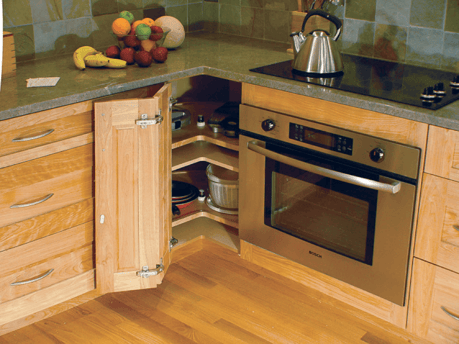
Experts suggest careful attention to the bottom of your kitchen corner cabinet. Proper coverage protects against moisture, pests, and damage. Choosing the right materials and regular maintenance keeps your cabinet in top shape. These tips help extend the life of your kitchen storage.
Choosing Durable Materials
Select materials that resist water and wear. Consider options like plywood with a waterproof finish or solid wood treated against moisture. Vinyl or laminate coverings also provide good protection. Avoid thin particleboard, which can swell when wet. Strong materials prevent damage and reduce repair needs.
Regular Inspection And Upkeep
Check the cabinet bottom often for signs of wear or water damage. Look for soft spots, stains, or mold. Clean the area regularly to prevent dirt buildup. Fix small issues quickly to stop bigger problems. Routine care keeps your cabinet safe and functional for years.
Credit: www.baycitiesconstruction.com
Frequently Asked Questions
Should I Cover The Bottom Of My Kitchen Corner Cabinet?
Yes, covering the bottom protects against dust, moisture, and pests. It also improves cabinet durability and cleanliness. A covered base supports better organization and prevents damage from spills or leaks.
What Materials Are Best For Kitchen Cabinet Bottoms?
Plywood, MDF, or solid wood are common choices. These materials are sturdy, moisture-resistant, and easy to clean. Avoid materials that warp or degrade quickly in humid kitchen environments.
How Does Covering The Cabinet Bottom Affect Storage?
Covering the bottom creates a stable surface for items. It prevents small objects from falling through gaps. This setup enhances usability and keeps the cabinet interior neat and organized.
Can Covering The Bottom Prevent Cabinet Damage?
Yes, it shields the cabinet from water damage and pests. It also stops wear caused by heavy pots or cleaning tools. Proper coverage extends the cabinet’s lifespan effectively.
Conclusion
Covering the bottom of your kitchen corner cabinet protects it from dust and spills. It keeps the space clean and easy to maintain. A simple cover can stop pests and moisture from getting inside. This small step helps your kitchen last longer and stay organized.
Think about your cabinet’s bottom as an important part of your kitchen’s care. A covered corner cabinet bottom adds value and comfort to your home. Take a moment to check your cabinets today. Small changes bring big benefits.

Sophie Hartwell is the founder of KitchenQuik.com, where she shares kitchen tips, smart cooking hacks, and the best product picks to make everyday cooking easier and more enjoyable.