
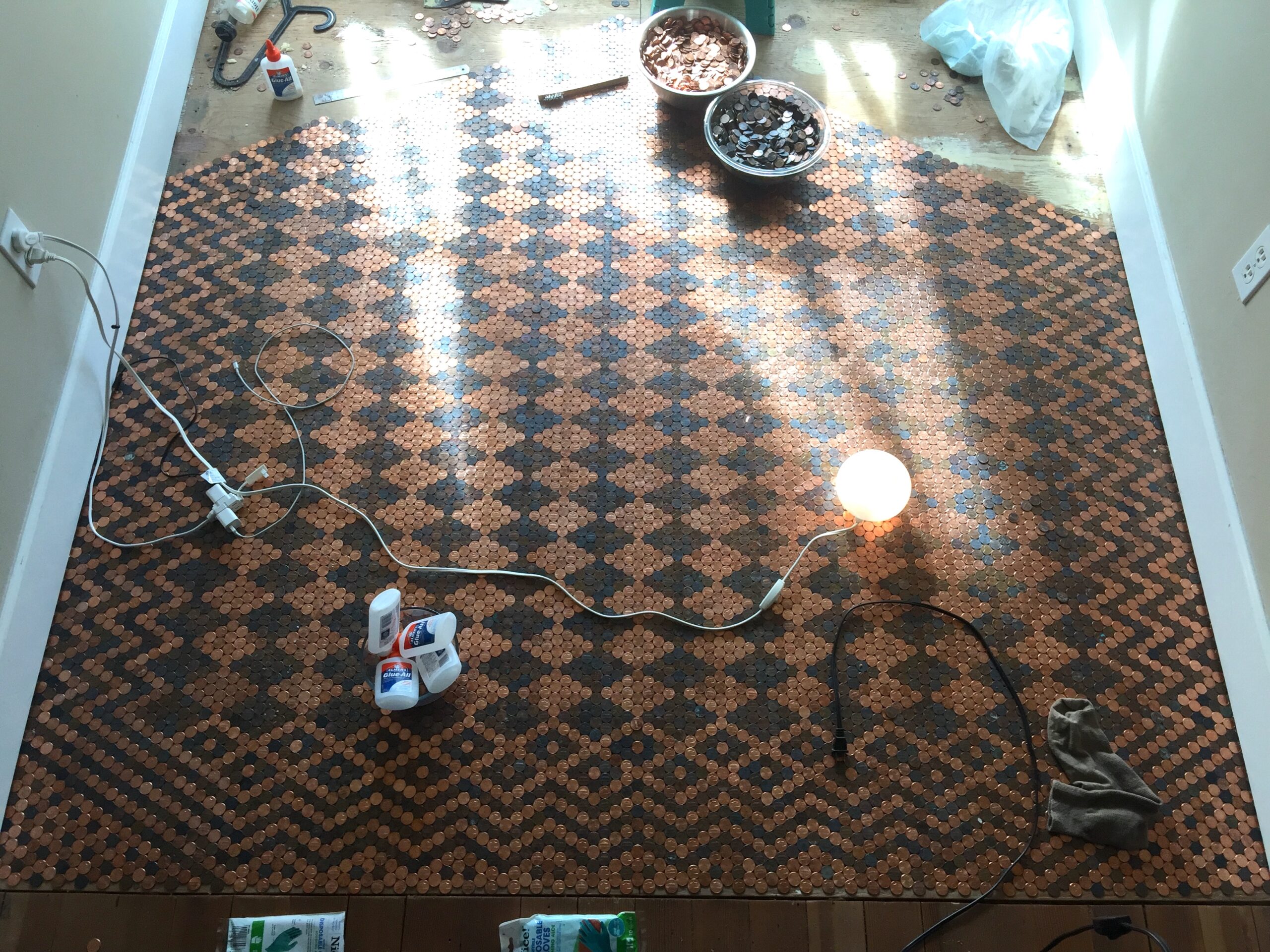
Have you ever wondered how many pennies it would take to cover your entire kitchen floor? It’s a fun question that makes you see your space in a whole new way.
Imagine turning your kitchen into a shiny, coppery floor made up of thousands of coins. You’re about to discover the surprising number of pennies needed, along with some cool facts about kitchen floors and pennies themselves. Keep reading—you’ll be amazed at the answer and might even find a creative project idea for your home!
Credit: littlethings.com
Calculating Kitchen Floor Area
Calculating your kitchen floor area is the first step to find out how many pennies you need. Accurate measurements help avoid mistakes and extra costs. This section guides you through simple ways to measure and convert your kitchen floor size.
Measuring Length And Width
Start by measuring the length of your kitchen floor. Use a tape measure for accuracy. Write down the number in feet or meters. Next, measure the width of the kitchen floor. Make sure to keep the tape straight. Note this number as well. These two numbers will help calculate the total area.
Converting To Square Feet Or Meters
Multiply the length by the width to get the area. This gives you the size in square feet or square meters. For example:
| Length | Width | Area |
|---|---|---|
| 10 feet | 8 feet | 80 square feet |
If your measurements are in different units, convert them first. Use simple online tools or a calculator. Knowing the area in square feet or meters makes it easier to estimate the pennies needed.
Credit: littlethings.com
Dimensions Of A Penny
Thinking about covering your kitchen floor with pennies? Start by understanding the dimensions of a penny. These small coins have specific measurements that affect how many you will need.
Diameter And Thickness
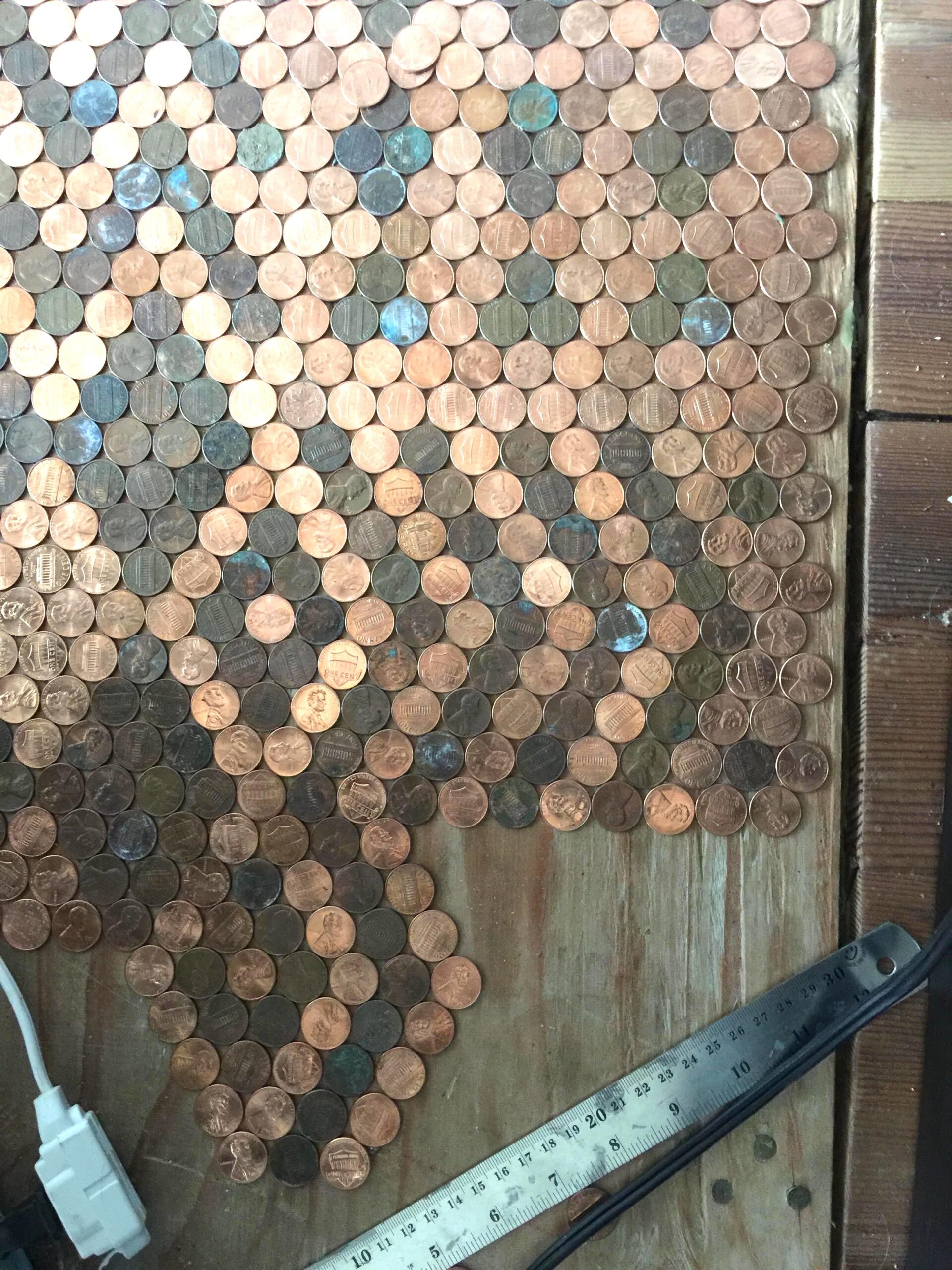
The diameter of a penny is 19.05 millimeters. This translates to about 0.75 inches across. The thickness of a penny is 1.52 millimeters, or 0.06 inches. These dimensions are key in calculating how many pennies you need.
Surface Area Covered By One Penny
Each penny covers a specific surface area. The formula for the area of a circle is πr². The radius of a penny is half its diameter, about 0.375 inches. Using this, one penny covers approximately 0.44 square inches. Knowing this helps in estimating the total number of pennies for your floor.
Estimating Penny Coverage
Estimating how many pennies you’ll need to cover your entire kitchen floor might seem tricky at first. But with some simple math and a bit of careful planning, you can get a pretty accurate number. This helps you avoid buying too many or running out halfway through the project.
Calculating Number Of Pennies Needed
Start by measuring your kitchen floor’s length and width in feet. Multiply these two numbers to find the total square footage. For example, if your kitchen is 10 feet by 12 feet, that’s 120 square feet.
Next, consider the size of a penny, which is about 0.75 inches in diameter. To find out how many pennies fit into one square foot, convert feet to inches (12 inches x 12 inches = 144 square inches per square foot). Then divide 144 by the area each penny covers.
| Measurement | Value |
|---|---|
| Diameter of a penny | 0.75 inches |
| Area of a penny (circle) | π × (0.375)^2 ≈ 0.44 sq inches |
| Square inches per sq foot | 144 sq inches |
| Number of pennies per sq foot | 144 ÷ 0.44 ≈ 327 pennies |
Multiply the number of pennies per square foot by your kitchen’s total square footage to get the total pennies needed. For the 120 square feet kitchen, that’s about 39,240 pennies.
Accounting For Gaps And Overlaps
In real life, pennies don’t fit perfectly side by side. There will be small gaps or slight overlaps depending on how you place them. These spaces affect the total number of pennies required.
To adjust for this, add about 10% extra pennies to your total count. This buffer helps cover any uneven placement or irregular floor shapes. For example, adding 10% to 39,240 pennies brings you to around 43,164 pennies.
Think about your layout too. Are you planning a tight grid pattern or a scattered, artistic look? The tighter the pattern, the fewer gaps you’ll have, which means fewer extra pennies.
Have you ever tried fitting objects closely together and noticed small gaps? That experience can guide how much extra material to prepare. It’s always better to have a little surplus than to stop midway and scramble for more pennies.
Weight And Value Of Pennies
Pennies have a specific weight and value that matter when covering a kitchen floor. Knowing these details helps estimate how heavy and valuable the penny floor would be. Each penny weighs about 2.5 grams and is worth one cent. Calculating the total weight and monetary value gives a clear picture of the project’s scale.
Total Weight Of Pennies Required
To find the total weight, multiply the number of pennies by the weight of one penny.
- Each penny weighs approximately 2.5 grams
- One kilogram equals 1,000 grams
For example, if you need 50,000 pennies, the total weight is:
50,000 pennies × 2.5 grams = 125,000 grams
Convert grams to kilograms:
The floor will weigh around 125 kilograms or 275 pounds. That is quite heavy for a kitchen floor.
Monetary Value Of All Pennies
The total value is simple to calculate. Multiply the number of pennies by one cent.
- Each penny equals $0.01
- Number of pennies × $0.01 = total value
If the floor needs 50,000 pennies, the total value is:
This means the penny floor costs $500 just in pennies. The value depends directly on how many pennies cover the floor.
Practical Considerations
Covering your entire kitchen floor with pennies sounds like a fun and creative idea, but there are some practical things you need to think about before diving in. It’s not just about how many pennies you’ll need; it’s about whether the floor will hold up, how much effort it will take to maintain, and what the overall impact will be on your budget and the environment. Let’s break down these important factors so you can make a smart choice.
Durability And Maintenance
Pennies are made of copper-plated zinc, which can wear down over time, especially in high-traffic areas like your kitchen. You’ll want to seal the pennies properly to protect them from scratches, spills, and dirt. Without a good sealant, the floor might become sticky or tarnished, which means more cleaning and upkeep.
Think about how often you clean your kitchen floor. Pennies can be slippery when wet, so you may need to add a non-slip coating. Also, if a penny comes loose, you’ll have to fix it quickly to avoid trip hazards. Maintaining a penny floor is not like your usual tile or hardwood—expect to invest more time and effort.
Cost And Environmental Impact
Collecting enough pennies to cover a typical kitchen floor can be expensive and time-consuming. Even though pennies themselves are low in value, the total cost adds up when you factor in adhesives, sealants, and labor. You might wonder if this money would be better spent on a more traditional flooring option.
From an environmental angle, using pennies might seem like recycling, but producing and sealing them involves chemicals and materials that could harm the environment. Plus, if you decide to remove the penny floor later, disposal can be tricky. Have you considered how the environmental cost balances with your creative vision?
Creative Uses Of Penny Flooring
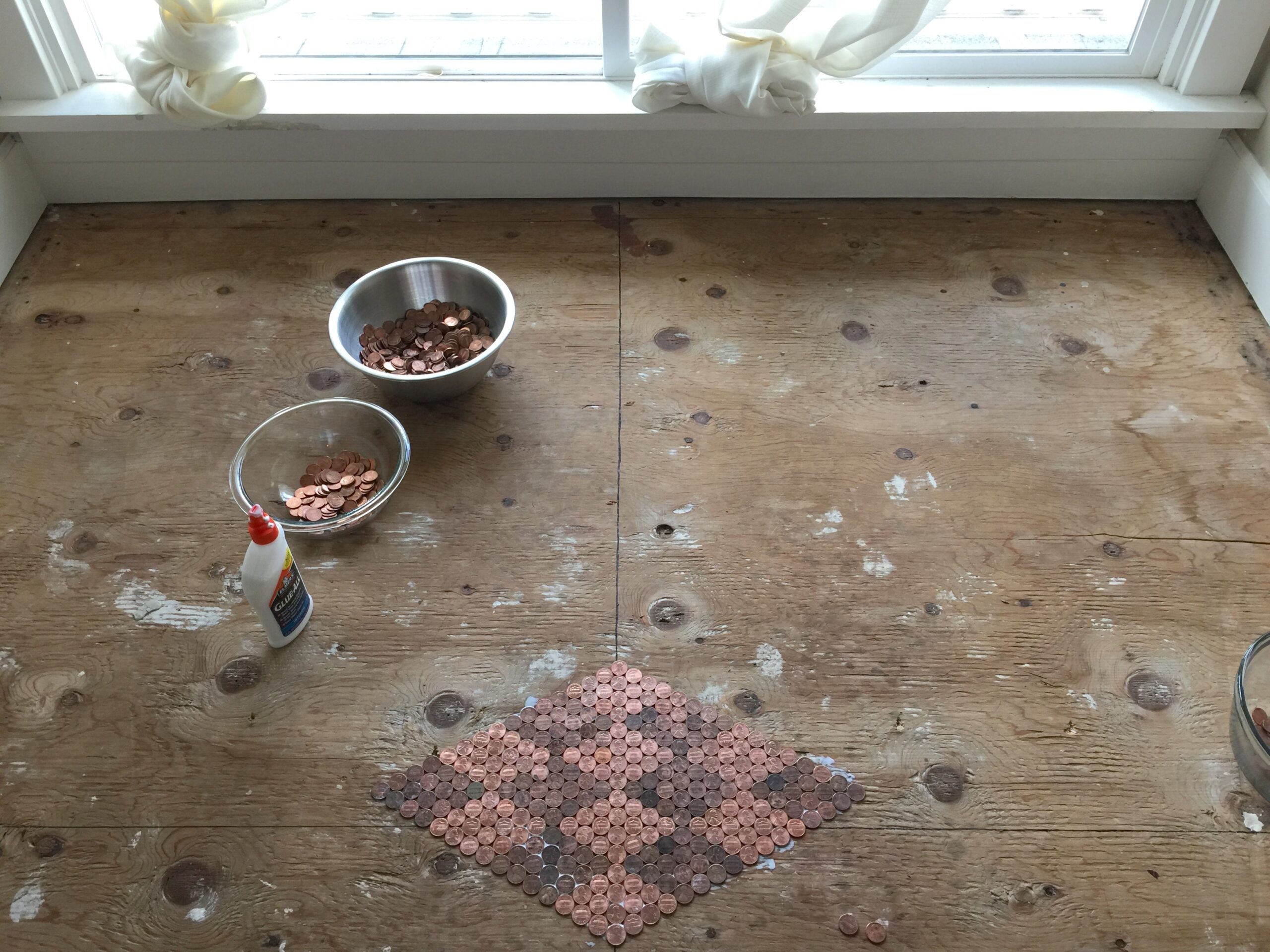
Penny flooring offers a unique way to transform any kitchen floor into a stunning space. Beyond just covering the floor, pennies create artistic and eye-catching designs. This flooring method is both affordable and creative.
Using pennies allows you to play with different patterns and styles. You can create shapes, borders, or even mosaic effects. The shine of copper adds warmth and character to your kitchen.
Design Patterns And Styles
Many designs fit well with penny floors. Simple grids give a classic look. Arranging pennies in waves or circles adds movement to the floor. Some use contrasting grout colors to highlight the penny shapes. Mixing old and new pennies creates a vintage style. You can also combine pennies with tiles for a mixed-material look.
- Checkerboard pattern with pennies and tiles
- Geometric shapes using penny clusters
- Border designs framing the kitchen floor
- Random scatter pattern for a rustic feel
Examples From Real Projects
Homeowners have used penny floors to add charm and uniqueness. One project featured a kitchen island covered in pennies with a dark grout. The pennies caught the light beautifully. Another project used pennies around the edges of the floor, creating a copper frame effect. Some kitchens have full penny floors mixed with hardwood for contrast.
| Project | Design | Effect |
|---|---|---|
| Modern Kitchen | Full penny floor, dark grout | Shiny, warm copper tone |
| Rustic Farmhouse | Penny border with wood center | Elegant frame, natural mix |
| Small Apartment | Penny waves near sink | Dynamic, artistic touch |
Credit: littlethings.com
Frequently Asked Questions
How Many Pennies Cover An Average Kitchen Floor?
An average kitchen floor is about 100 square feet. It takes roughly 14,400 pennies to cover this area entirely.
What Size Is A Standard Penny For Floor Coverage?
A standard US penny measures 0. 75 inches in diameter. This size helps calculate how many pennies fit per square foot.
How To Calculate Pennies Needed For Kitchen Flooring?
Measure your floor’s length and width in feet. Multiply these to get square footage. Then multiply by 144 pennies per square foot.
Can Pennies Be Used As Durable Kitchen Flooring?
Pennies create a unique look but are not very durable. They require sealing to protect from moisture and wear over time.
Conclusion
Covering your kitchen floor with pennies is a fun and unique idea. It takes thousands of pennies to fill the space. The exact number depends on your kitchen size. Remember to plan for extra pennies to cover gaps. This project can add a personal touch to your home.
It also shows how small things add up to big results. Take your time and enjoy the process. Your kitchen floor will be one of a kind.

Sophie Hartwell is the founder of KitchenQuik.com, where she shares kitchen tips, smart cooking hacks, and the best product picks to make everyday cooking easier and more enjoyable.