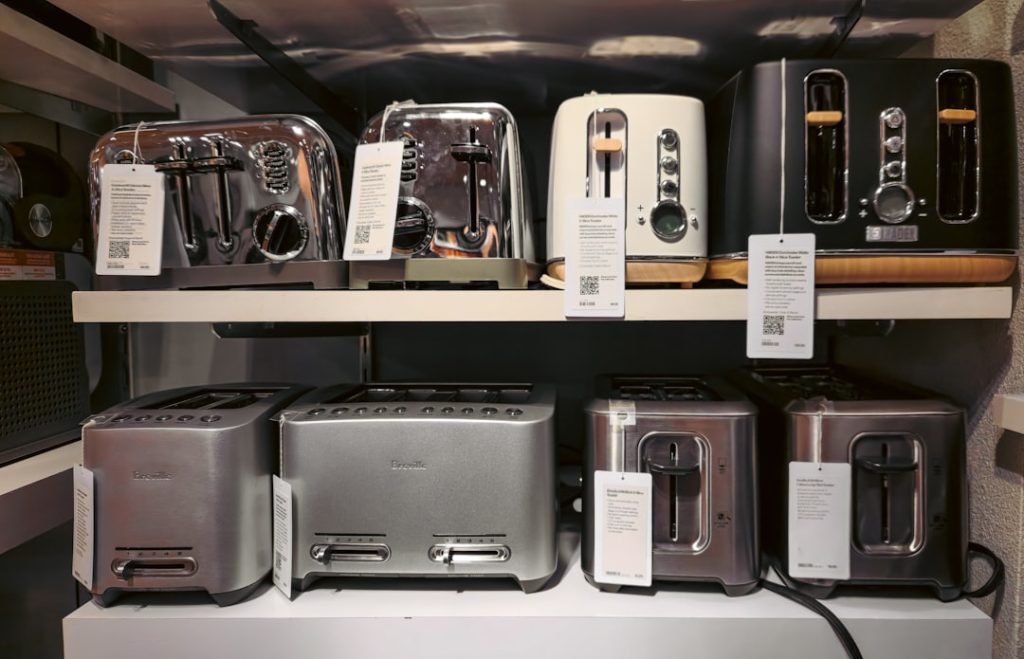

Have you ever stopped to think about how your kitchen toaster works? It might seem simple—just pop in the bread, and out comes toast.
But beneath that simplicity lies a fascinating system working quietly in your kitchen. Your toaster isn’t just a gadget; it’s a perfect example of a closed loop system. Understanding this can change the way you see everyday appliances and even inspire you to notice the smart design in your home.
Keep reading, and you’ll discover how your toaster manages heat, timing, and feedback to deliver that perfect slice every time. This insight might just make your next breakfast feel a little more extraordinary.
Closed Loop Systems In Everyday Appliances
Closed loop systems are all around us. These systems help appliances work better by constantly checking and adjusting themselves. A kitchen toaster is a simple example. It uses feedback to make sure your bread toasts perfectly. This idea is common in many everyday machines and devices.
Basics Of Closed Loop Control
A closed loop system uses feedback to control its operation. It measures the output and compares it to the desired result. If there is a difference, the system makes adjustments. This keeps the output steady and accurate.
In a toaster, the system checks the heat and timing. It stops heating when the toast is ready. This prevents burning and saves energy. The loop of measuring, comparing, and adjusting is continuous.
Examples Beyond The Kitchen
Closed loop systems are not just in toasters. Many household devices use them. For example:
- Thermostats control room temperature by turning heating or cooling on and off.
- Washing machines adjust water levels and washing time based on load size.
- Microwave ovens monitor cooking time to avoid overcooking food.
These systems improve performance and efficiency. They make appliances smarter and easier to use.
Toaster Mechanics And Feedback
The mechanics behind a kitchen toaster reveal a fascinating closed loop system at work. This system constantly monitors and adjusts the toasting process to deliver perfectly browned bread every time. Understanding how your toaster manages this balance can help you appreciate the technology behind a simple kitchen appliance.
How A Toaster Monitors Toasting
Your toaster keeps track of the toasting progress through a carefully timed heating cycle. Inside, a small timer or microcontroller counts down the set duration while the heating elements glow red-hot. But timing alone isn’t enough—your toaster also listens to changes in heat and sometimes even the color of the bread to decide when to stop.
Have you ever noticed how some toasters pop up your toast just a second before it burns? That’s the closed loop system responding in real time. This feedback loop ensures your bread doesn’t overcook or stay underdone.
Role Of Sensors In Temperature Control
Sensors play a crucial role in maintaining the right temperature inside the toaster. Many toasters use thermistors, which detect heat levels and relay that information to the control circuit. This helps the toaster adjust the heating intensity during the toasting process.
Some advanced models even include light sensors or infrared sensors to gauge the color of the bread, improving precision. Without sensors, your toaster would just run blindly on a preset timer, making it harder to get consistently good toast.
Think about your own toaster—does it ever toast unevenly or burn the edges? Sensors are the reason why many modern toasters minimize those issues by adapting to different bread types and thicknesses automatically.
Smart Efficiency In Toasters
A kitchen toaster works as a closed loop system, controlling heat and timing precisely. This design helps toast bread evenly and saves energy efficiently. Smart efficiency comes from constant feedback within the toaster’s system to maintain perfect results.
Smart efficiency in toasters is transforming our morning routines. These devices are not just for making toast. They are about using technology to make our lives easier. With smart features, toasters now offer more than basic functions.Energy Conservation Techniques
Modern toasters focus on reducing energy consumption. They achieve this through innovative designs and features. Smart sensors detect the bread’s thickness and adjust the heat. This ensures minimal energy use for each slice. Some toasters even have a standby mode. This feature cuts power usage when the toaster is idle. With these techniques, energy waste is significantly reduced.Adaptive Toasting For Consistency
Adaptive toasting is a standout feature in smart toasters. It adjusts to different bread types for perfect results. Whether it’s a thick bagel or thin slice, each piece gets even toasting. Smart toasters remember your preferences. They use this memory for future toasting, ensuring consistent results every time. This level of personalization enhances the user experience greatly.Benefits Of Closed Loop Toasters
Closed loop toasters bring several benefits that improve your kitchen experience. These toasters use a smart system to control the toasting process. This control helps create better toast and saves energy. The system adjusts heat based on bread condition and timing. Such precision ensures consistent results every time.
Enhanced Toast Quality
Closed loop toasters monitor the bread closely during toasting. They adjust heat and time to avoid burning or undercooking. This results in evenly browned toast with a perfect crunch. The system can adapt to different bread types and thicknesses. It keeps the toast texture just right, making each slice delicious.
Reduced Energy Waste
These toasters use only the energy needed to toast bread properly. The closed loop system stops heating as soon as the toast is ready. This saves electricity and lowers your energy bills. Less wasted heat means a cooler kitchen environment as well. Energy efficiency is a key benefit of this smart design.
Future Trends In Toaster Technology
The future of toaster technology is set to transform your kitchen experience in ways you might not expect. As appliances become smarter and more connected, your toaster will no longer be just a simple device but an intelligent assistant in your daily routine. Let’s look at some exciting trends that could soon land on your countertop.
Integration With Smart Home Systems
Your toaster could soon be talking to your other devices. Imagine starting your toast from your bedroom with a voice command or your morning routine triggering the toaster automatically. This integration means less waiting and a smoother start to your day.
Smart home compatibility allows you to customize settings through an app, adjusting browning levels or even selecting specific bread types. This level of control puts you in charge, making sure your toast is always just right.
Ai And Machine Learning Applications
Toasters with AI can learn your preferences over time. They remember how you like your bread toasted and adjust heating patterns accordingly. This personalization ensures every slice matches your taste without constant tweaking.
Machine learning can also help improve energy efficiency by optimizing power usage during operation. Plus, AI can detect bread type and thickness, adjusting the toasting process for perfect results every time. How would having a toaster that understands you change your breakfast routine?
Frequently Asked Questions
What Makes A Kitchen Toaster A Closed Loop System?
A kitchen toaster is a closed loop system because it recirculates heat within its chamber. The heating elements warm the bread, and the heat stays contained, ensuring efficient toasting without energy loss to the surroundings.
How Does Heat Circulate In A Toaster’s Closed Loop?
Heat circulates in a toaster through its heating coils and reflective surfaces. These components trap and redirect heat around the bread, maintaining a consistent temperature and evenly toasting the bread inside the closed environment.
Why Is A Toaster Considered Energy Efficient?
A toaster is energy efficient as it confines heat within a closed loop. This minimizes heat loss, allowing it to toast bread quickly using less power compared to open heating methods.
Can A Toaster’s Closed Loop System Improve Toast Quality?
Yes, the closed loop system improves toast quality by evenly distributing heat. This prevents burning on one side and ensures a uniform golden-brown finish on the bread.
Conclusion
A kitchen toaster shows how closed loop systems work. It uses energy, converts it, and controls the process. Heat and timing create the perfect toast every time. This simple device helps us understand system cycles. Thinking of everyday tools this way can change how you see technology.
Closed loops keep things steady and efficient. Next time you toast bread, remember the system behind it. Small machines like this teach big lessons in control and balance.

Sophie Hartwell is the founder of KitchenQuik.com, where she shares kitchen tips, smart cooking hacks, and the best product picks to make everyday cooking easier and more enjoyable.


