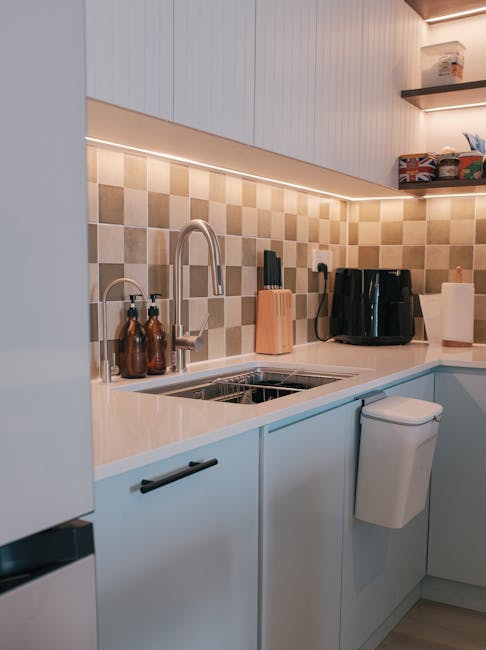

Are your kitchen cabinets looking dull or greasy? You might think cleaning them is a tough job, but what if you could make it simple with something you already have at home?
Dawn dish soap is not just for your dishes—it’s a powerful, gentle cleaner for your cabinets too. You’ll discover easy steps to bring back the shine and freshness to your kitchen cabinets using Dawn. Get ready to transform your kitchen with a quick, effective cleaning trick that saves you time and effort.
Keep reading to learn how!
Gathering Supplies
Before you start scrubbing away at your kitchen cabinets with Dawn dish soap, it’s important to have all the right supplies at hand. Having everything ready will make the cleaning process smoother and more efficient. Plus, using the right products can protect your cabinets from damage and leave them looking fresh and shiny.
Choosing The Right Dawn Dish Soap
Not all Dawn dish soaps are created equal for cleaning cabinets. You want a formula that cuts through grease but is gentle enough to avoid stripping the cabinet’s finish. Dawn Original is a popular choice because it’s powerful against grime yet mild on surfaces.
Consider using Dawn Free & Clear if you have sensitive skin or if your cabinets have delicate finishes. This version is free of dyes and fragrances but still offers great cleaning power. Have you ever noticed how some soaps leave behind a residue? Picking the right Dawn soap helps prevent that, leaving your cabinets spotless and residue-free.
Other Essential Cleaning Tools
Besides Dawn soap, you’ll need a few more tools to get the job done well. Gather a soft sponge or microfiber cloth to gently scrub without scratching. Avoid abrasive pads, which can damage the cabinet surface.
A spray bottle filled with warm water helps rinse off soap easily. You’ll also want a dry towel or cloth to wipe down and dry your cabinets after cleaning. Don’t forget a small bowl for mixing the soap and water—it keeps your workspace organized.
- Soft sponge or microfiber cloth
- Spray bottle with warm water
- Dry, lint-free towel
- Small mixing bowl
- Optional: old toothbrush for tight corners
Do you have all these on hand, or will you need to make a quick trip to the store? Being prepared saves time and effort, so take a moment to check your supplies before you dive in.
Preparing The Cleaning Solution
Preparing the cleaning solution is a crucial step to ensure your kitchen cabinets get a thorough yet gentle wash. Using Dawn dish soap is a smart choice because it effectively cuts through grease without damaging surfaces. However, mixing the right solution and handling it safely will make your cleaning process easier and more effective.
Mixing Soap And Water
Start with a clean bucket or bowl. Add about one tablespoon of Dawn dish soap to two cups of warm water. This ratio creates a mild solution that removes dirt and grease without leaving a sticky residue.
Stir gently to combine without creating too many bubbles. Too much foam can make rinsing harder and leave streaks. Testing the solution on a small, hidden area of your cabinet first can help you avoid any unwanted effects.
Safety Tips For Handling Cleaning Agents
Even though Dawn dish soap is gentle, it’s important to handle any cleaning solution carefully. Avoid mixing Dawn with other household chemicals like bleach or ammonia, as this can create harmful fumes.
Wear gloves to protect your skin, especially if you have sensitive hands. Make sure the room is well-ventilated to prevent irritation from the soap’s scent. Have you ever experienced skin dryness or redness after cleaning? Taking these small safety steps can save you discomfort later.
Cleaning Process
Mix warm water with a few drops of Dawn dish soap for an effective cleaning solution. Use a soft cloth to wipe down cabinets gently, removing grease and dirt easily. Rinse with clean water and dry to keep cabinets shiny and fresh.
Cleaning your kitchen cabinets doesn’t have to be a daunting task. With the right approach and a trusty bottle of Dawn dish soap, you can tackle even the grimiest cabinets with ease. The key is to break down the cleaning process into manageable steps, ensuring that each layer of dirt and grime is addressed effectively. Let’s dive into the details and transform your kitchen cabinets from dull to dazzling.Removing Surface Dust And Debris
Begin by wiping down your cabinets to remove loose dirt and dust. Use a soft, dry cloth or a microfiber duster to gently sweep over the surfaces. This step is crucial because it prevents dust from turning into mud once the soap solution is applied. Don’t overlook the nooks and crannies where dust tends to hide. Pay special attention to the tops of cabinets and the edges where doors meet the frame. A small handheld vacuum can also be useful for this stage.Applying The Soap Solution
Mix a few drops of Dawn dish soap with warm water in a spray bottle. This creates a gentle yet effective cleaning solution. Spray the solution lightly onto the cabinet surfaces, avoiding oversaturation which can damage the wood. A light mist is sufficient to break down grease and grime without leaving residues. Allow the solution to sit for a minute or two. This gives the soap time to penetrate and lift away stubborn dirt, making the scrubbing process easier.Scrubbing Techniques For Stubborn Stains
For tougher stains, a little elbow grease may be required. Use a non-abrasive sponge or cloth to gently scrub the affected areas. Circular motions often work best to lift and remove stains without scratching the surface. If stains persist, add a bit more Dawn directly to your sponge for extra cleaning power. Always rinse your sponge regularly to avoid spreading dirt around. Remember to dry the cabinets thoroughly afterward to prevent water damage. Have you ever noticed how a simple change in technique can make all the difference in cleaning efficiency? By following these steps, you’ll find that maintaining beautiful kitchen cabinets is easier than you might think.Rinsing And Drying
After scrubbing your kitchen cabinets with Dawn dish soap, rinsing and drying are crucial steps you shouldn’t skip. These steps make sure no soap residue is left behind and your cabinets stay in good shape. Neglecting proper rinsing and drying can lead to sticky surfaces or even damage the cabinet finish over time.
Wiping Off Soap Residue
Soap residue can leave your cabinets feeling sticky or dull if not fully wiped off. Use a clean, damp microfiber cloth to gently wipe all surfaces where you applied the Dawn soap. Rinse the cloth often in clean water to avoid spreading leftover soap around.
Try wiping in small sections to ensure you catch every spot. If you notice any streaks or film, go over those areas again with a fresh damp cloth. Have you ever cleaned something only to find a soap film afterward? Taking the extra time to wipe thoroughly prevents that frustrating outcome.
Proper Drying Methods To Prevent Damage
After wiping off soap residue, drying your cabinets is the next step to avoid water damage or warping. Use a soft, dry cloth to blot the surfaces, especially along edges and corners where moisture tends to linger. Leaving cabinets damp can cause swelling or peeling over time.
Open cabinet doors and drawers to let air circulate inside. If your kitchen is humid, a small fan can speed up drying and reduce risk of mold growth. Have you ever touched damp wood and noticed it feels softer or looks different? That’s a sign moisture is affecting the material, so don’t rush this part.
Maintaining Clean Cabinets
Keeping your kitchen cabinets clean is key to maintaining a fresh and inviting kitchen space. Using Dawn dish soap makes this task simple and effective. But beyond just cleaning, maintaining that cleanliness requires a bit of routine and smart habits.
Regular Cleaning Schedule
Set a consistent time each week to wipe down your cabinets with a mixture of warm water and a few drops of Dawn dish soap. This prevents dirt and grease from building up and becoming harder to remove later.
Try to focus on high-touch areas like handles and edges where grime tends to collect quickly. Even a quick wipe can make a big difference in keeping your cabinets looking new.
Ask yourself: How often do you really clean your cabinets? A regular schedule can save you from scrubbing sessions that drain your time and energy.
Preventing Future Build-up
After cleaning, dry your cabinets thoroughly to avoid moisture damage. Moisture can attract dirt and cause sticky residue to form faster.
Consider using a gentle protective spray or a natural polish after cleaning to create a barrier against grease and fingerprints. This extra step can make your next cleaning session easier.
Also, be mindful when cooking—cover pots to reduce splatter and wipe spills immediately. Small habits like these prevent grease from settling on your cabinets in the first place.
Alternative Cleaning Tips
Cleaning kitchen cabinets with Dawn dish soap is effective, but sometimes you might want to try other options. Alternative cleaning tips can help you tackle different types of grime or suit your personal preferences. These options often use natural ingredients or help you know when to skip Dawn for better results.
Using Natural Ingredients
Natural ingredients like vinegar, baking soda, and lemon juice offer gentle yet powerful cleaning. Mix equal parts of white vinegar and water in a spray bottle to cut through grease without harsh chemicals.
Baking soda works great as a mild abrasive. Sprinkle it on a damp sponge and scrub stubborn spots without scratching your cabinets.
Lemon juice adds a fresh scent and natural antibacterial properties. Try rubbing a cut lemon directly on the surface to brighten dull cabinets.
Have you ever noticed how these simple kitchen staples can sometimes outperform store-bought cleaners?
When To Avoid Dawn Dish Soap
Dawn is excellent for most surfaces, but it’s not ideal for all cabinet materials. Avoid using it on unsealed or raw wood, as the soap can strip natural oils and cause damage.
If your cabinets have delicate finishes like antique paint or certain laminates, Dawn might be too harsh and lead to discoloration or peeling.
In these cases, stick to milder alternatives like plain water and a soft cloth, or specialized wood cleaners designed for sensitive surfaces.
As you clean, ask yourself if your cabinet’s material can handle soap and water or if it needs special care to keep its beauty intact.
Frequently Asked Questions
How Effective Is Dawn Dish Soap For Cleaning Cabinets?
Dawn dish soap is highly effective for kitchen cabinets. It cuts through grease and grime gently. It cleans without damaging cabinet finishes, making it ideal for routine maintenance and deep cleaning.
Can I Use Dawn Soap On All Cabinet Materials?
Yes, Dawn soap is safe for most materials. It works well on wood, laminate, and painted cabinets. Always dilute with water and test a small area first to avoid damage.
How Do I Prepare A Dawn Soap Cleaning Solution?
Mix a few drops of Dawn dish soap with warm water. Stir gently until suds form. Use a soft cloth or sponge to apply the solution to cabinets.
Should I Rinse Cabinets After Cleaning With Dawn Soap?
Yes, rinse cabinets with a clean damp cloth. This removes soap residue that can attract dust and dirt. Dry cabinets thoroughly to prevent water damage.
Conclusion
Cleaning kitchen cabinets with Dawn dish soap works well. It removes grease and dirt gently. Just mix soap with warm water and wipe cabinets. This method saves money and uses common household items. Regular cleaning keeps cabinets looking fresh and new.
Try this simple step for a cleaner kitchen today. Small efforts make a big difference in your home’s feel. Easy, safe, and effective—clean cabinets without harsh chemicals. Give your kitchen a quick, gentle refresh anytime you want.

Sophie Hartwell is the founder of KitchenQuik.com, where she shares kitchen tips, smart cooking hacks, and the best product picks to make everyday cooking easier and more enjoyable.


