
Have you ever pulled your favorite kitchen knife out of the drawer only to find it dull and frustrating to use? You might be wondering if your dishwasher is to blame.
Many people ask, “Does dishwasher dull kitchen knives? ” The answer could save you time, money, and hassle in the kitchen. Keep reading to discover the surprising truth about dishwashers and your knives—and learn simple tips to keep your blades sharp and ready for every meal.
How Dishwashers Affect Knife Blades
Dishwashers are a popular convenience in many kitchens. They save time and effort cleaning dishes. Yet, their effect on kitchen knives often raises questions. Understanding how dishwashers affect knife blades helps protect your tools. Several factors in dishwashers can dull or damage knives over time.
Heat And Its Impact On Steel
Dishwashers use hot water to clean dishes thoroughly. High heat can weaken steel in knife blades. This heat softens the metal, making blades less sharp faster. Repeated exposure to heat reduces the blade’s hardness. It also causes tiny changes in the metal’s structure. This leads to quicker dulling of the knife edge.
Water Pressure And Blade Edges
Dishwasher jets spray water at strong pressure. This pressure hits knife blades repeatedly during cycles. The force causes small nicks and chips on edges. Over time, these tiny damages grow and dull the blade. Knives placed close together also rub against each other. This friction further harms the blade edges.
Detergents And Corrosion Risks
Dishwasher detergents are strong and abrasive. They contain chemicals that remove tough stains and grease. These chemicals can eat away at knife coatings and steel. Prolonged exposure to detergents causes corrosion and rust. Rust weakens the blade and makes it unsafe to use. Some detergents also leave residues that dull knives faster.
Comparing Dishwasher And Hand Washing
Choosing between dishwasher and hand washing your kitchen knives can impact their sharpness and longevity. Both methods clean effectively but differ in how they treat your blades. Understanding these differences helps you decide the best care routine for your knives.
Effectiveness In Cleaning
Dishwashers use high-pressure water jets and strong detergents to remove stubborn food particles quickly. This can be very efficient for heavily soiled knives, especially after cutting meat or sticky foods.
Hand washing allows you to focus on spots that need extra attention without the harshness of strong chemicals. You can gently scrub the blade and handle, reducing the chance of residue buildup.
Think about whether your knives get heavily soiled often or just need a quick rinse. What cleaning level suits your daily cooking habits?
Potential Damage Differences
Dishwashers expose knives to hot water, aggressive detergents, and rough contact with other utensils. This can dull the blade faster and even cause rust or handle damage over time.
Hand washing, if done properly, minimizes these risks. You control water temperature and avoid contact with hard objects, preserving the edge and finish.
Have you noticed your knives losing sharpness faster after dishwasher cycles? This might be why many chefs avoid putting knives in the dishwasher.
Time And Convenience Factors
Using a dishwasher saves you time and effort, especially when you have many dishes to clean. Just load your knives and let the machine do the work.
Hand washing takes a few more minutes but can be a mindful practice that extends your knives’ life. You can wash them immediately after use, preventing food from drying on the blade.
Which do you value more: the ease of a dishwasher or the care of hand washing? Your answer can guide how you maintain your kitchen tools daily.
Materials And Knife Durability
Understanding how dishwashers affect knives involves examining materials and durability. Knives are crafted from various materials, each with unique properties. These properties influence how they withstand dishwasher cycles. Let’s explore the impact of different materials on knife durability.
Stainless Steel Vs High-carbon Steel
Stainless steel knives resist rust and stains. They are common in many kitchens. Yet, they can be softer than high-carbon steel knives. High-carbon steel is harder and holds a sharp edge longer. But it is prone to rust and corrosion. Dishwashers can dull both types, but high-carbon needs extra care.
Coatings And Protective Layers
Many knives feature coatings for protection. These coatings help resist corrosion and wear. They can chip or peel in dishwashers. This exposes the metal beneath. Hand washing is safer for maintaining these protective layers. It preserves the knife’s performance and longevity.
Handle Material Sensitivity
Knife handles come in various materials. Wood, plastic, and stainless steel are popular choices. Wooden handles can warp or crack in dishwashers. Plastic handles may become brittle over time. Stainless steel handles usually fare better. Yet, all handle types benefit from gentle hand washing.
Expert Opinions And Studies
Experts have studied how dishwashers affect kitchen knives. Opinions vary, but many agree on key points. Understanding these views helps to care for knives properly. Below are insights from chefs, manufacturers, and scientific research.
Professional Chef Insights
Chefs often avoid putting knives in dishwashers. They say high heat and harsh detergents dull blades. The water pressure can also damage knife edges. Many chefs recommend hand washing to keep knives sharp. They believe hand washing extends a knife’s life.
Manufacturer Recommendations
Knife makers usually advise against dishwashers. Most warn that detergents can corrode steel. They mention that racks cause blades to knock and chip. Manufacturers suggest drying knives immediately after washing. Proper care maintains the knife’s sharpness and finish.
Scientific Research Findings
Studies show dishwashers can reduce blade sharpness over time. Chemicals in dishwasher detergent may cause metal oxidation. Repeated exposure to heat and water weakens knife edges. Research supports hand washing as the safest cleaning method. It helps protect the knife’s cutting ability and durability.
Tips To Protect Knives In Dishwashers
Protecting your kitchen knives in the dishwasher takes some careful steps. Without the right approach, your knives can lose their sharpness faster or even get damaged. Paying attention to how you load, what detergent you use, and how you dry and store your knives can make a big difference in maintaining their edge and longevity.
Proper Loading Techniques
Place knives carefully in the dishwasher to avoid them banging against other items. Lay them flat in the utensil basket with blades pointing down to prevent contact with other utensils and reduce the risk of dulling or chipping.
Avoid overcrowding. If knives are cramped together, their edges can rub against each other, dulling the blades. Some people find using a knife holder or a separate compartment keeps knives secure and safe during the wash cycle.
Choosing The Right Detergent
Use mild, non-abrasive detergents specifically designed for dishwashers. Harsh chemicals can strip the protective coating on your knives and cause corrosion over time.
Steer clear of detergents with bleach or lemon-based additives, as they tend to be too aggressive on metal. If you notice stains or discoloration after washing, switching detergents might help preserve your knives’ finish.
Drying And Storage Advice
Remove knives promptly after the cycle ends to prevent water spots and rust. Leaving them wet in a humid dishwasher environment can accelerate blade damage.
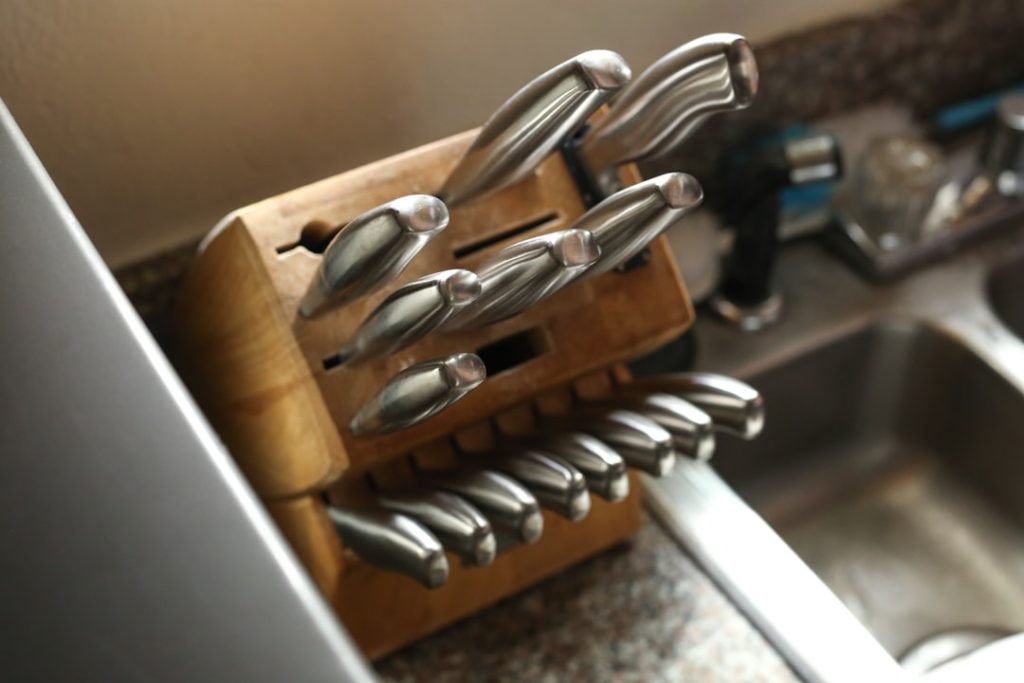
Dry knives with a soft towel instead of air drying. Then, store them in a knife block or on a magnetic strip where blades won’t rub against other items. Do you store your knives loosely in a drawer? That could be dulling them faster than you think.
When To Avoid Using The Dishwasher
Knowing when to avoid using the dishwasher for your kitchen knives can save you from costly damage and dull blades. Not all knives are built to withstand the harsh environment inside a dishwasher. Recognizing these situations helps you protect your investment and keep your knives sharp and safe.
High-end Or Specialty Knives
High-end or specialty knives often have delicate edges and unique finishes that the dishwasher’s heat and detergent can ruin. If you own a Japanese chef’s knife or a hand-forged blade, it’s best to wash them by hand. These knives require gentle care to maintain their precision and sharpness.
Think about the last time you saw a knife with a beautiful Damascus pattern lose its shine after a dishwasher cycle. Would you risk that same damage to your prized kitchen tools?
Knives With Wooden Handles
Wooden handles do not fare well in dishwashers. The intense heat and moisture can cause the wood to crack, warp, or lose its finish. This not only looks bad but can also make the handle unsafe to grip.
If your knife has a wooden handle, hand washing with mild soap and drying immediately is the safer choice. Would you want your favorite knife handle to become rough or splintery over time?
Signs Of Knife Damage
Look for visible signs like chips, dull edges, rust spots, or loose handles. These are clear indicators that your knives have been stressed, possibly by dishwasher use. Continuing to put damaged knives in the dishwasher can worsen these issues quickly.
Pay attention to how your knives feel and look after each wash. Have you noticed a decline in cutting performance or any unusual changes in the blade’s condition? If so, it’s time to switch to hand washing to extend their life.
Frequently Asked Questions
Does Dishwasher Dull Kitchen Knives Faster?
Yes, dishwashers can dull knives faster due to harsh detergents and high heat. These elements damage the blade’s edge and finish over time.
Can Dishwasher Cause Rust On Kitchen Knives?
Dishwashers may cause rust if knives aren’t fully dry. Moisture combined with detergents can corrode metal, especially on carbon steel blades.
Is Hand Washing Better For Kitchen Knives?
Hand washing is better for knives. It protects the blade from harsh chemicals and prevents damage from banging against other items.
How To Protect Knives From Dulling In Dishwasher?
To protect knives, use a gentle detergent and avoid high heat drying. Place knives securely to prevent contact with other utensils.
Conclusion
Dishwashers can cause kitchen knives to lose their sharpness faster. The heat and strong water jets can damage the blade edges. Also, knives bumping against other items may get nicks or scratches. Hand washing with mild soap protects knife quality better.
Dry knives immediately to stop rust and stains. Taking good care helps knives stay sharp and last longer. Small efforts make a big difference for your kitchen tools. Choose the right cleaning method for your knives’ health. Keep your cutting tools sharp for safe and easy cooking.

Sophie Hartwell is the founder of KitchenQuik.com, where she shares kitchen tips, smart cooking hacks, and the best product picks to make everyday cooking easier and more enjoyable.


